Celebrating a Scotland where every traditional dance form belongs
Scotland’s diverse traditional dance landscape
The Traditional Dance Forum of Scotland believes that Scotland’s dance landscape has never been singular—it is woven together from homegrown traditions and movements brought here from around the world.
We are committed to ensuring that every dance tradition practised in Scotland is seen, valued and supported. Whether your dance tradition began here or you brought it here with you, there is a place for you on the stages, spaces and streets of Scotland.
An example? View the creative documentary and check the programme of our Pomegranates Festival 2024 Workshops in Scottish and Irish Stepdance, Rembetiko, Dabkeh, Yiddish, Tammariata, Waltz, American Country Line, Indonesian Folk, Chinese Classical, South African Trad and Hip Hop Popping.
Scroll through the evolving guide below to find out more about the diversity of Scottish and world traditional dance forms practised in contemporary Scotland!
Scottish Traditional Dance Forms
Cèilidh Dance
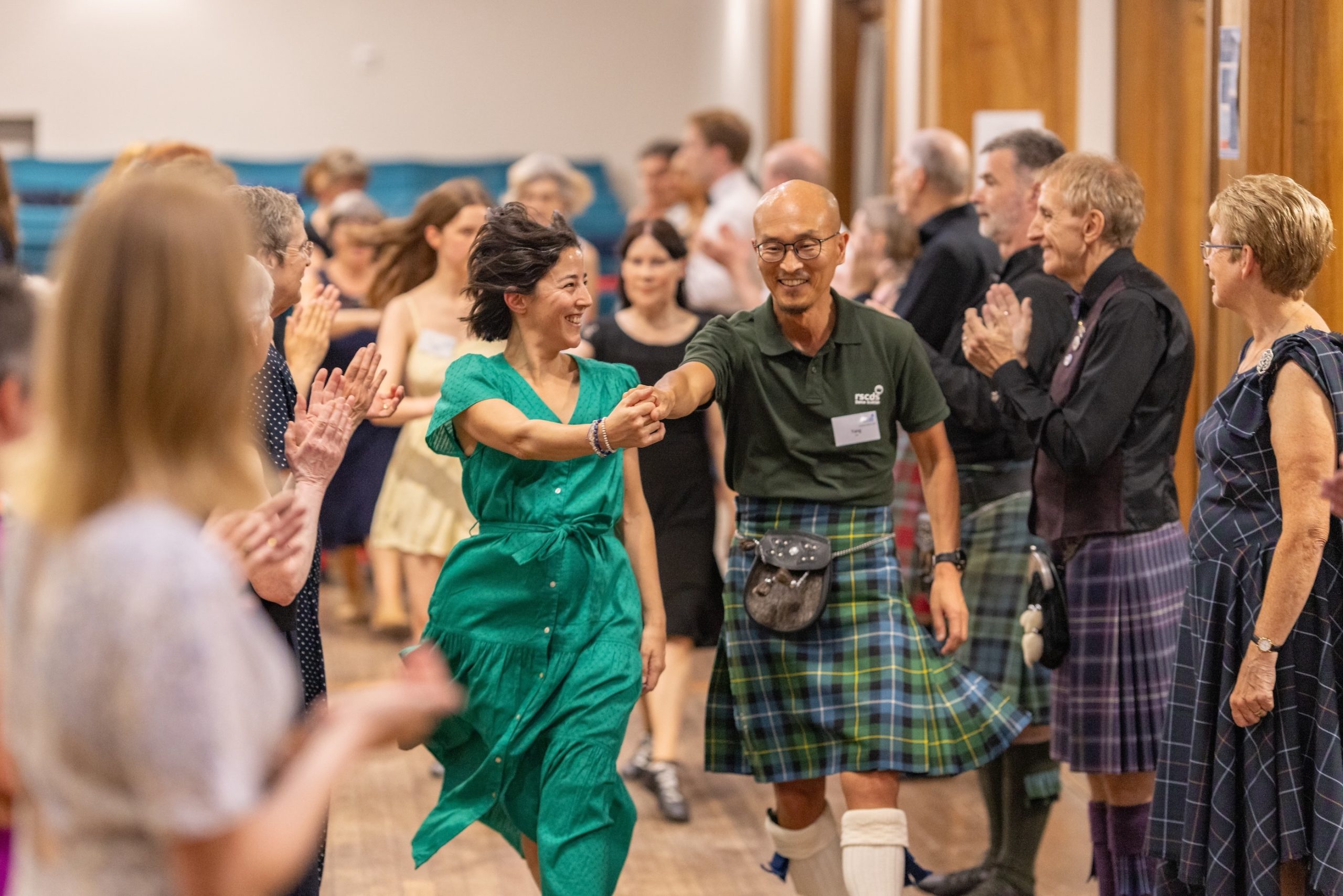
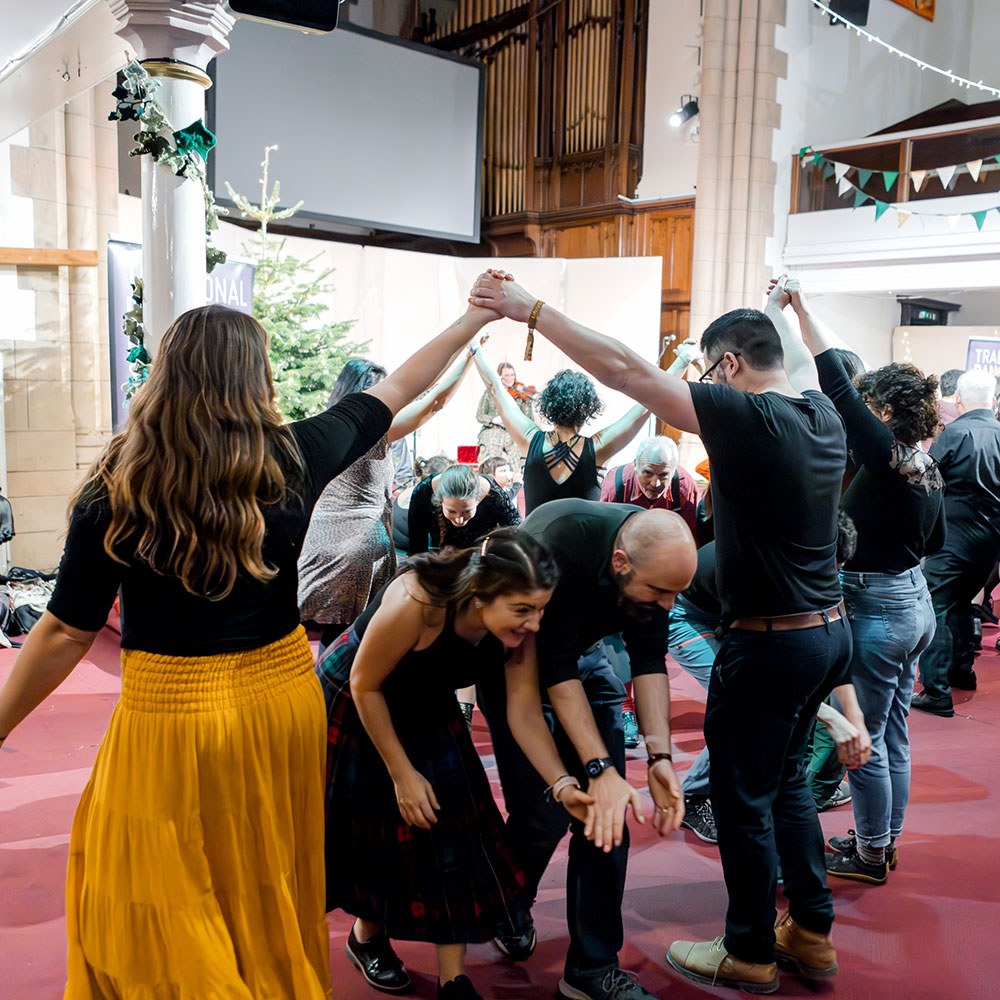
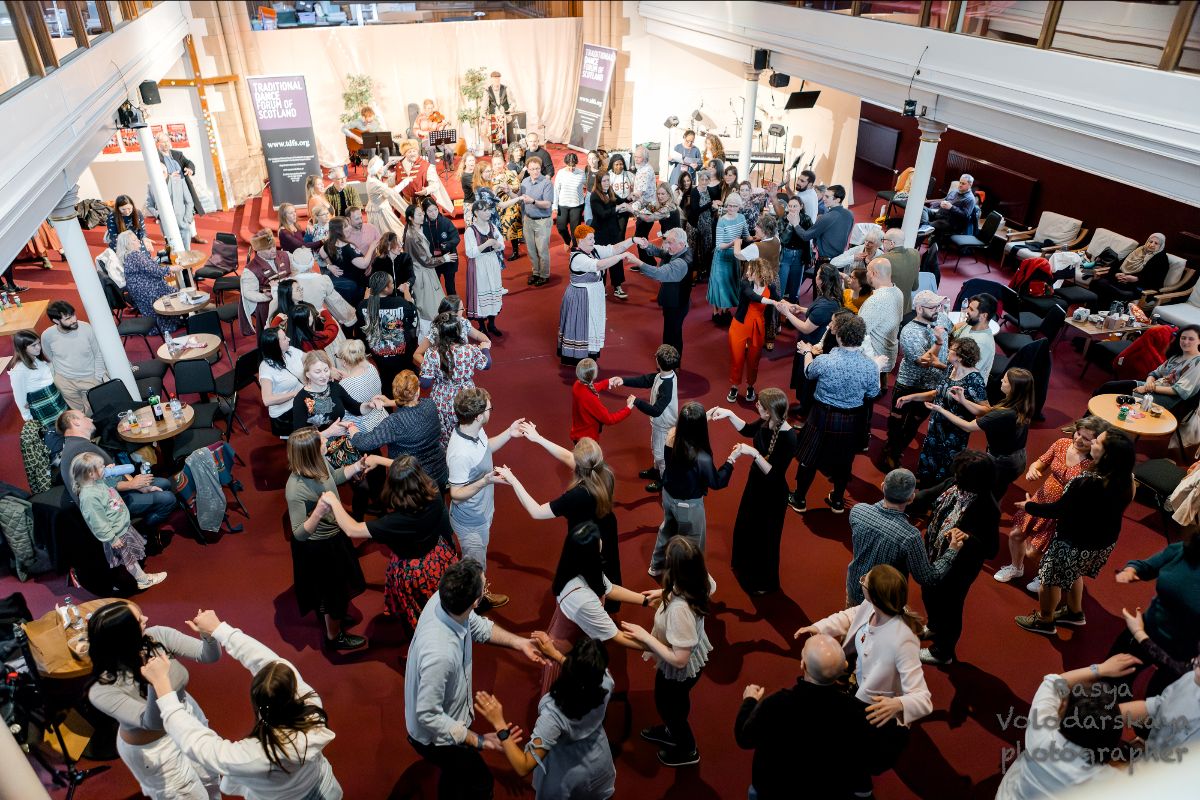
Cèilidh dance is a social style designed to be inclusive, accessible and fun. Danced in groups, it is guided by a caller who instructs participants through the steps, making it easy for people of all ages and abilities to join in. Traditionally in Scotland a cèilidh was an evening of song, music and storytelling. In the early 1970s the word became associated with dance — callers began teaching dances from scratch, encouraging people to get up and have a go rather than simply reminding them of steps they already knew. The revival began in the Glasgow area and spread to other urban centres, helped by a simultaneous surge of interest in Scottish music and song; in rural areas, of course, the dancing had never stopped. Cèilidh dance draws on the Scottish country dance tradition while encouraging spontaneity and enjoyment. There is no formal organisation or society and every caller, band and hall tends to have its own repertoire — from the Gay Gordons and Dashing White Sergeant to Strip the Willow and the Barn Dance. For many people in Scotland, a cèilidh night or a Ceilidh Plus night, is the most direct way dance becomes part of everyday life.
Hebridean Dance
Hebridean Dance is a term first coined for the National Festival of English Folk Dance and Song 1934 at London’s Royal Albert Hall when Fearchar MacNeil of Barra performed dances known in South Uist and Barra, distinguishing them from Highland dancing. The solo repertoire is largely the legacy of dancing master Ewen MacLachlan (c.1799–1879), who taught in South Uist and Barra. Nine dances are documented — Scotch Blue Bonnets, Scotch Measure, Miss Forbes’ Farewell to Banff, Mac Iain Ghasda (Highland Laddie), Over the Waters, Tulloch Gorm, First of August, Flowers of Edinburgh and the solo jig Aberdonian Lassie — alongside Caisteal Chiosamul, devised by Fearchar MacNeil. More relaxed and spontaneous than Highland dancing, with considerable percussive footwork, they sit between pure Stepdance and Highland dance. Fears of loss in the mid-1980s led to their teaching at Fèis Bharraigh and in island schools. They now feature at Fèisean nan Gàidheal across Scotland.
Highland Dance
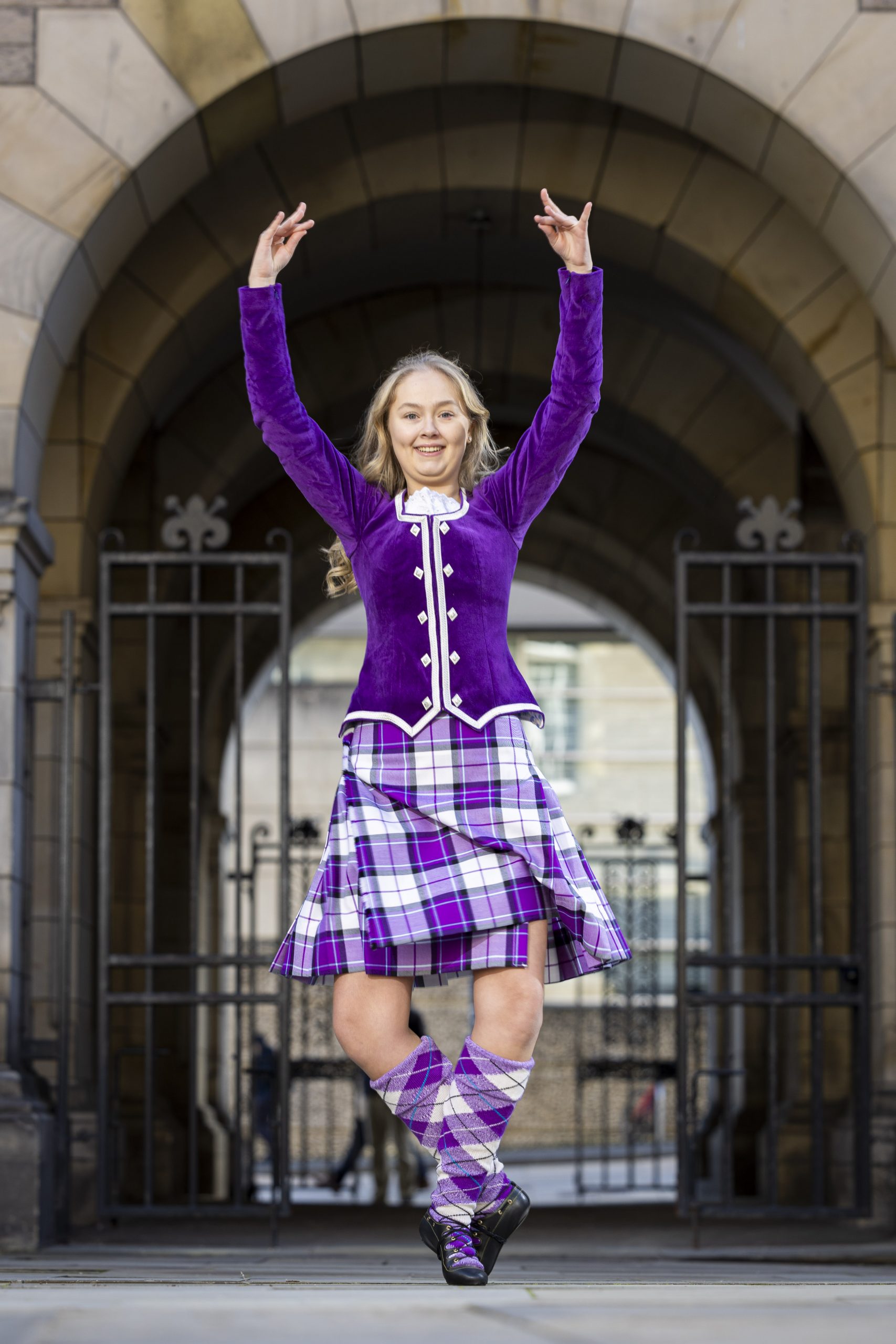
Highland dance is Scotland’s most iconic solo dance tradition, closely associated with the Highland Games. Dancers are known for their precise technique, strength and musicality, combining springy footwork with elegant arm positions. During the 20th century the form became regulated, with bodies such as the Scottish Official Highland Dance Association and the Royal Scottish Official Board of Highland Dancing standardising teaching, examinations and competition judging. Highland dance remains a vibrant, competitive strand of Scotland’s living traditions. Highland dance took centre stage at our Pomegranates Festival pop-up events as part of Glasgow 2026 Commonwealth Games.
Scottish Traditional Dance Forms
Scottish Country Dance
Scottish country dance is a social dance tradition enjoyed by thousands of people in Scotland and around the world. Danced in groups of couples arranged in sets, it combines intricate formations and shared movement with live music. In the 20th century, the Royal Scottish Country Dance Society (RSCDS) was established to standardise teaching and preserve a shared repertoire, and it continues to support classes, events and teacher training internationally. It retains both the rigour of traditional dance sequences and the warmth of dancing together. Our Living Heritage exhibition at Edinburgh Central Library in Spring 2026 told the story of the RSCDS and the women who contributed greatly to the development of the dance form and the Society.
Shetland Dance
Shetland Dance is a distinct island tradition shaped by Norse heritage and the rhythms of the fiddle, centred on the indigenous Shetland Reel—a tight, energetic figure-of-eight dance alternating between travelling “reeling” and percussive setting steps on the spot. The islands were once home to the older Auld Reels or Muckle Reels, slower circle dances performed in croft-house kitchens. Shetland Folk Dance, established in 1992, works to collect and preserve these dances, and today the tradition thrives in monthly social dances at venues like Islesburgh Community Centre, where beginners and visitors are walked through the steps, and in the fortnightly gatherings at Skeld Hall—all fuelled by the island’s living fiddle music.
Stepdance
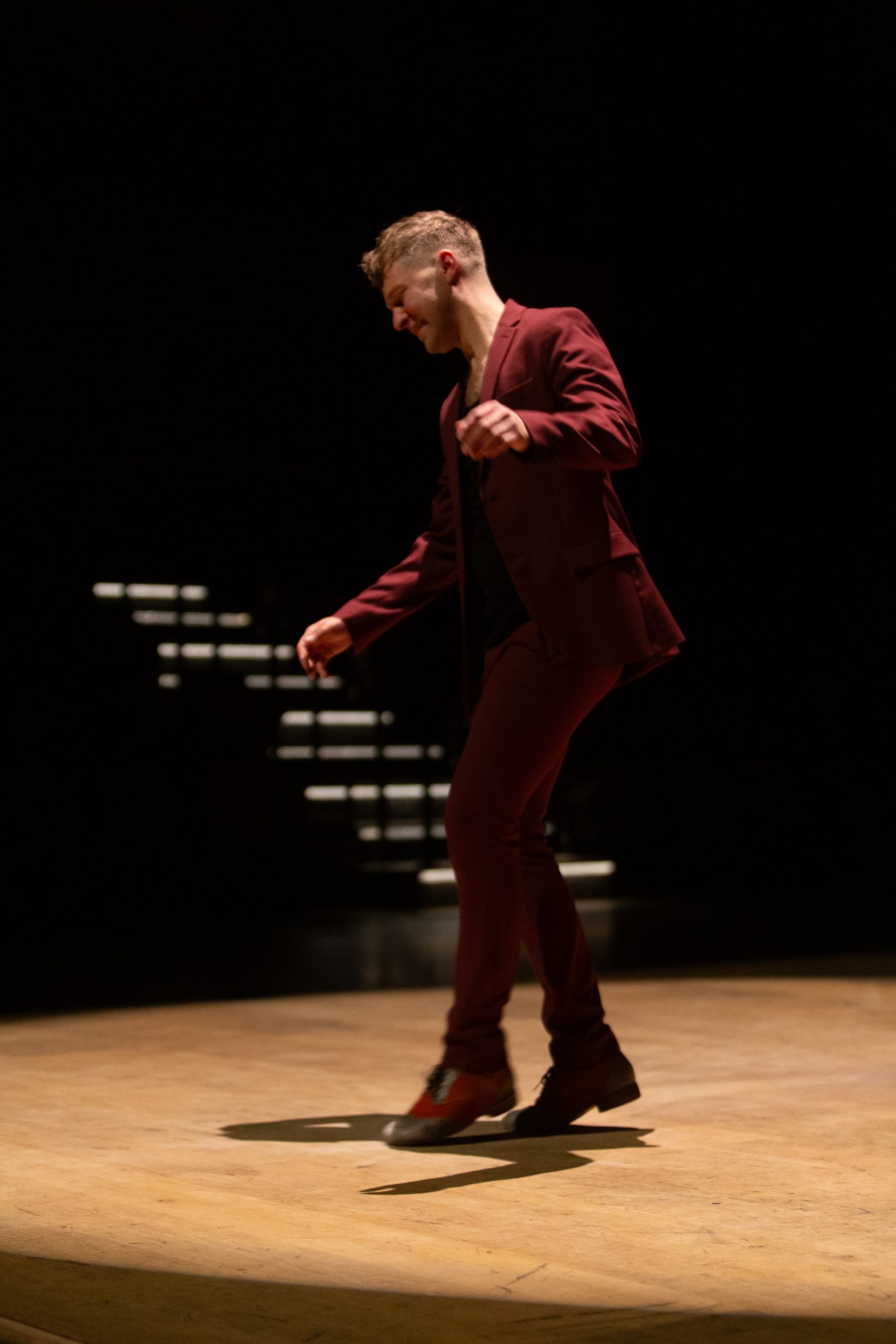
Stepdance is a solo dance form centred on rhythmic footwork and a close connection to traditional Scottish music. Rather than following a regulated syllabus, it is largely improvisational—dancers respond to the music in the moment, weaving complex rhythmic patterns with heel, toe and brush steps. Re-emerging in Scotland in the late 20th century, it drew inspiration from the percussive dance traditions of Cape Breton, Nova Scotia, where Scottish emigrants had preserved older stepdance movements. Today it is recognised as one of the most dynamic strands of Scotland’s living dance heritage. It is widely performed, taught and transmitted by Scotland-based traditional dance practitioners whom we often feature in the Pomegranates Festival and beyond, including Jen Wren, Alison Carlyle, Evie Waddell, Jennifer Hobson, Sandra Robertson, Sophie Stephenson and Mats Melin. In addition, we continue to work with the percussive dancer Nic Gareiss who served as the Traditional Dance Forum of Scotland 2018-2019 artist-in-residence.
World Traditional Dance Forms Practised in Scotland
Afro Beats and Afro Cuban
Afro Beats fuses African and Caribbean movement with influences from hip-hop and dancehall, driven by the music style of the same name—rhythmically sharp and outwardly energetic. Afro Cuban is itself an umbrella concept, encompassing rumba, salsa, cha-cha and other Cuban forms that blend African, European and Indigenous elements. In Scotland, Cuban salsa is particularly active, with “All Levels” classes emphasising fluid footwork and sociability.
Balkan Circle Dances
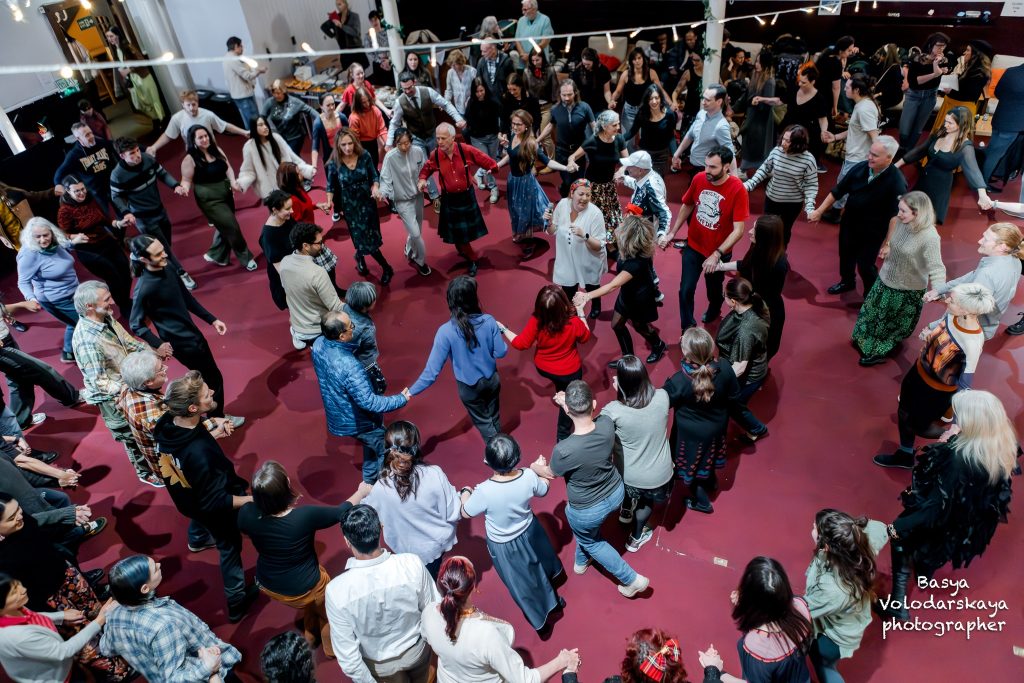
Balkan circle dances—Syrtos, Horo or Kolo—have gained visibility in Scotland through community events and dedicated dance groups, such as Central Scotland Circle Dance, Hop Trop Edinburgh and the Greek Dance Groups in Edinburgh and Glasgow. Ceilidh Plus series has featured forms such as the Bulgarian Horo and Greek Syrtos with dance practitioners Ariana Stoyanova and Vassia Bouchagiar guiding participants through the steps. These dances typically take the form of hand-linked circles with repeating step patterns, making them easy to join collectively and a popular warm-up at cross-cultural gatherings.
World Traditional Dance Forms Practised in Scotland
Bollywood Dance
Bollywood dance blends the expressiveness of Indian folk, Kathak and Bhangra traditions with contemporary vocabularies including hip-hop and belly dance, producing a colourful and high-energy form. In Scotland, organisations such as Nikkan Dance Academy and Dance Base run regular Bollywood classes. Bollywood and Bhangra dances were also featured as part of the Ceilidh Plus series in 2026. Their appeal lies in the free movement between tradition and modernity, narrative and celebration—attracting many dancers from outside South Asian backgrounds.
Flamenco
Flamenco comes from southern Spain, specifically Andalusia, and is known for its fiery footwork, expressive arm movements and the elusive quality of duende—a state of total, soul-deep absorption. In Scotland, flamenco has a stable teaching and performance ecology: Dance Base’s programme spans beginner to advanced levels, with teachers running long-term workshops. Dancers are often drawn to its intense emotional expression and technical demands.
World Traditional Dance Forms Practised in Scotland
Hungarian Csárdás
Hungarian Csárdás became part of Ceilidh Plus through our April 2025 edition, which brought together dance and live music from Scotland, Poland and Hungary in one evening at The King’s Hall in Edinburgh. Led by Hungarian dance artists, participants were introduced to the vibrant steps and turning figures of the Csárdás—a couple dance rooted in the taverns and village gatherings of Hungary and Transylvania, where it evolved as a national dance form in the nineteenth century. The evening proved so popular that it catalysed the establishment of Scotland’s first Hungarian Dance House (Magyar Táncház), which has offered guided social dances in Edinburgh every month since September 2025.
Irish Cèili Dance
Irish cèili dance shares roots with Scottish cèilidh traditions while having its own distinct character, and it continues to be passed on in Scotland through Irish diaspora communities and cross-cultural dance events. Ceilidh Plus marked St Patrick’s Day by inviting participants to try Irish cèili, led by Dianne Newman, with its group formations and buoyant rhythms. Usually accompanied by live traditional music, it emphasises sociability and inclusion, forming an interesting dialogue with Scottish cèilidh dance.
World Traditional Dance Forms Practised in Scotland
Ukrainian Folk Dance
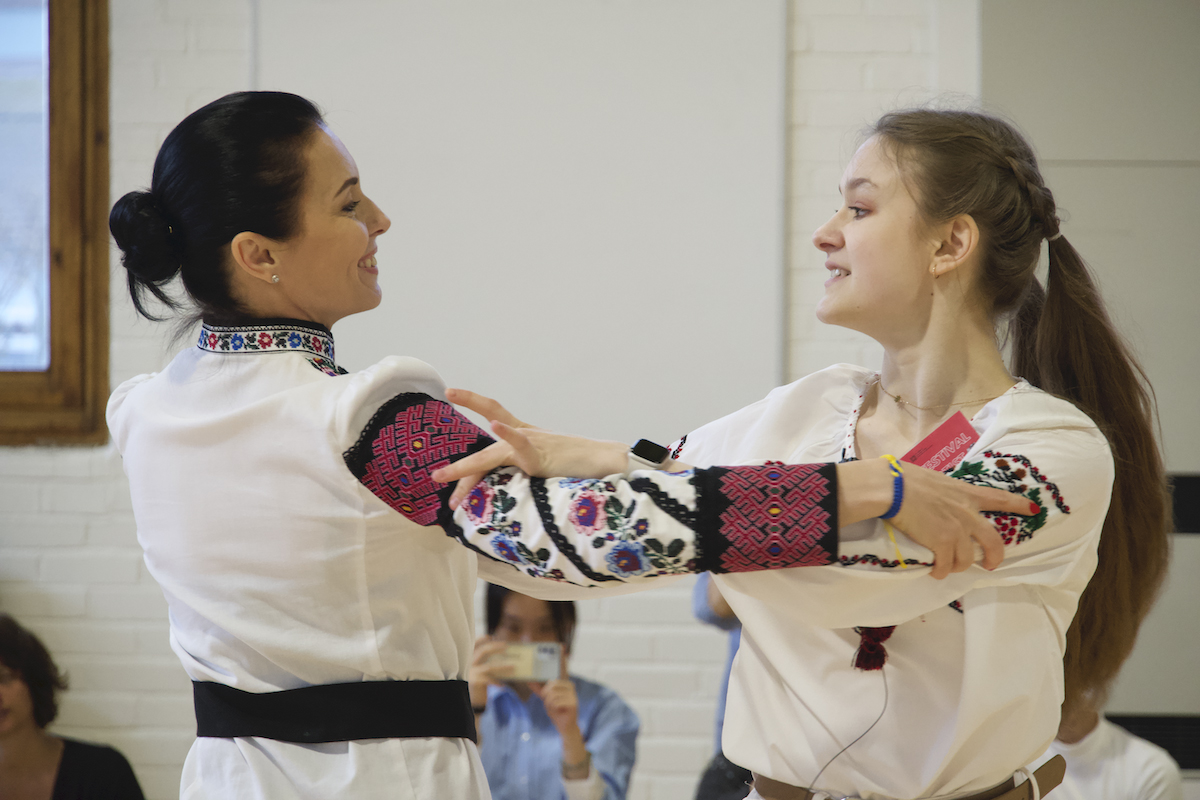
Ukrainian folk dance has become a visible presence in Scotland, closely tied to the communities who have settled here in recent years. In Edinburgh, for example, professional dancers who were invited to perform, teach and participate at the Pomegranates Festival 2023, were encouraged to establish Scotland’s first Ukrainian folk dance companies (Flowers of Ukraine and TvorchiYA) passing on their living dance heritage to displaced Ukrainian children and young people. Hoptsa Dritsa and Hutsulska dances are often lively and humorous, quick to draw audiences to their feet, and live accompaniment from the Oberig community choir weaves movement and song into a single cultural expression.
West African Dance
West African dance is an umbrella term covering many ethnic and ceremonial traditions, united by the inseparable relationship between drum and body—dancers respond directly to the drummer’s rhythmic calls. In Scotland’s urban dance centres, West African dance is offered as “All Levels” workshops, sometimes with live drumming. It is approached not only as physical training but as a route to community connection and cultural learning.